
Finding the Finish Line and the Balance: How to Train for an Ironman Without Losing Your Life Along the Way

The Fourth Discipline: Finding Work–Life Balance in Ironman Training
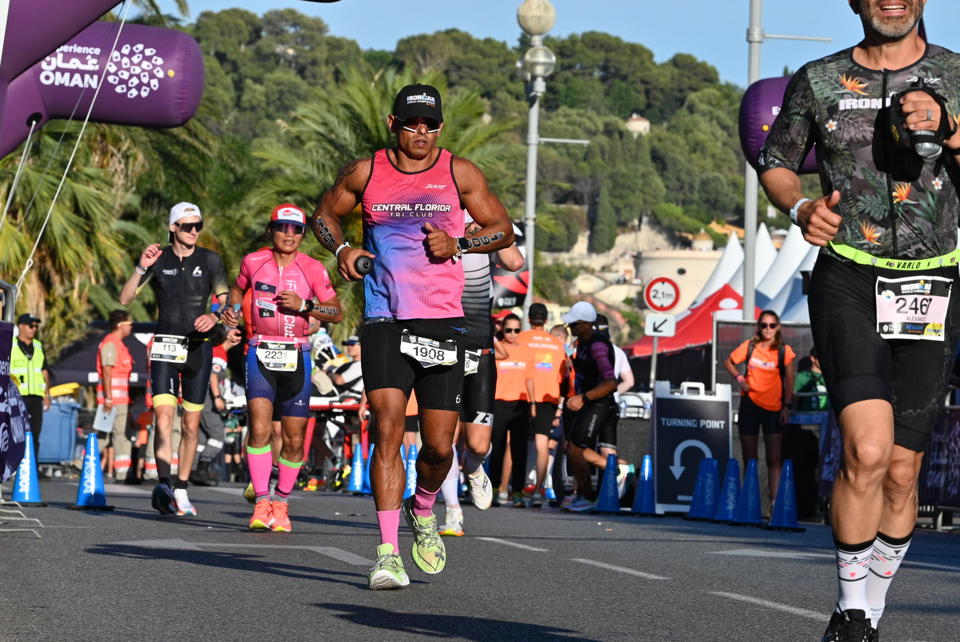
Training for an Ironman is more than just swimming, biking, and running — it’s a life-defining journey that tests your discipline, your patience, and your ability to balance it all. Between early-morning workouts, demanding careers, and family commitments, it often feels like there simply aren’t enough hours in the day. Yet, achieving balance isn’t just possible — it’s the key to becoming a stronger, healthier, and happier athlete.
What Is Work–Life Balance (and Why It Matters in Ironman Training)
Work–life balance means managing your personal, professional, and athletic commitments in a way that supports both performance and well-being. It’s not about splitting your time evenly between them — it’s about allocating your energywisely.
For many triathletes, Ironman training can easily tip the scales. A typical plan might require 12–18 hours per week, with some athletes logging over 20. But research shows that training more doesn’t always lead to better results — in fact, studies on amateur Ironman athletes found no significant improvement in finish times among those training beyond 14 hours a week.
That means the key isn’t doing more, it’s doing better — and learning to train smarter around the rest of your life.
The Importance of Balance
 An unbalanced approach to Ironman training often leads to:
-
Chronic fatigue and burnout
-
Injury or illness due to overtraining
-
Strained relationships with family or coworkers
-
Decreased performance from poor recovery and stress
On the other hand, athletes who develop balance:
-
Recover faster and perform better
-
Stay consistent over the long term
-
Feel supported by their families and peers
-
Enjoy the process — not just the race day
Your performance is directly connected to how well you recover, sleep, eat, and manage stress. Balance doesn’t take away from your training — it enhances it.
 Strategies to Achieve Work–Life Balance While Training for an Ironman

1. Plan Your Week Like a Professional
Every Sunday, map out your week:
-
Block off your work commitments and family time first.
-
Fit your key workouts (long ride, long run, key swim) around those priorities.
-
Use TrainingPeaks or a similar platform to stay organized and accountable.
When you plan strategically, your schedule stops feeling like chaos — and starts working for you.
2. Focus on Quality Over Quantity
 Not every workout has to be long to be effective. Studies show that athletes training up to 14 hours a week can achieve similar results to those training over 20 — if they’re focused on intensity, purpose, and recovery.
Key tip:
Replace “junk miles” with purposeful sessions — threshold intervals, tempo rides, or technique-focused swims.
When I coach athletes through Tri Peak Athlete, I emphasize efficient sessions that maximize performance without compromising lifestyle.
3. Communicate with Family and Colleagues
Ironman training affects more than just your schedule — it affects your relationships. Set expectations early:
-
Share your training plan with your partner or family.
-
Schedule family activities after big workouts to stay connected.
-
If you travel for work, modify your sessions to maintain momentum without stress.
Balance comes from collaboration — not isolation.
4. Prioritize Recovery and Self-Care

You can’t pour from an empty cup. Prioritize:
-
Sleep: Aim for 7–9 hours per night.
-
Nutrition: Fuel properly before, during, and after training.
-
Active recovery: Incorporate stretching, massage, or Winback TECAR therapy to accelerate muscle repair.
A rested athlete is a fast athlete — and recovery is where the real progress happens.
5. Embrace Flexibility
Some days, life wins — and that’s okay.
Missed workouts aren’t failures; they’re opportunities to reset. The best Ironman athletes aren’t perfect — they’re adaptable. When your schedule shifts, adjust your training rather than forcing it.
As a coach, I help my athletes adapt intelligently — so every session has purpose, even when life gets unpredictable.
The Coach’s Role in Creating Balance

Balancing Ironman training, career, and family requires more than willpower — it requires strategy, structure, and accountability. That’s where having a coach makes the difference.
When you work with me through Tri Peak Athlete Coaching, you receive:
-
A customized training plan that fits your work and family life
-
A nutrition and recovery strategy that keeps you energized
-
Weekly communication and feedback to adjust for real-world changes
-
Access to breakthrough training camps, where you can reset and refocus
-
A supportive community of driven athletes who share the same lifestyle challenges
You don’t have to sacrifice your career, relationships, or health to achieve your Ironman dream. With the right guidance, you can have all three.
Balance Is the Real Finish Line

Training for an Ironman is as much about balance as it is about endurance. It’s about learning when to push, when to rest, and how to stay fully present — in training, at work, and at home. The most successful athletes aren’t the ones who train the most hours; they’re the ones who train with the most purpose.
When you align your workouts with your life — rather than against it — you build a stronger body, a clearer mind, and a happier lifestyle. You cross the finish line not just as an Ironman, but as a more complete version of yourself.
So take a moment today to reassess your priorities, refine your plan, and recommit to your goals — both on and off the course.
If you’re ready to train smarter, live balanced, and perform at your best, I’m here to help. Together, we’ll design a training strategy that fits your life, supports your goals, and gets you to the finish line feeling strong, confident, and fulfilled.
👉 Start your journey today at TriPeakAthlete.com — where balance meets performance.
Discover more from Tri Peak Athlete
Subscribe to get the latest posts sent to your email.


