
Male Pelvic Health in High-Performance Athletes

 A Tri PeakAthlete Perspective on Strength, Hormones, and Recovery

As a USA Triathlon Level 3 Coach and an NPC competitor, I’ve learned something that most men discover too late:
Strength isn’t just what you see in the mirror.
It’s pressure control.
It’s neuromuscular coordination.
It’s hormonal efficiency.
And for male endurance and strength athletes — it starts with pelvic health.
In the world of swim-bike-run, heavy squats, deadlifts, and high-volume training, the male pelvic floor is either overworked, under-recovered, or completely ignored.
This article will break down:
What male pelvic health really means Why endurance athletes and bodybuilders are at risk The science behind pelvic floor dysfunction in men How modern radiofrequency therapy (TECAR) is reshaping rehabilitation And how to integrate pelvic health into performance training
If you’re a triathlete, CrossFit athlete, strength competitor, or clinician working with male athletes — this is the conversation we need to have.


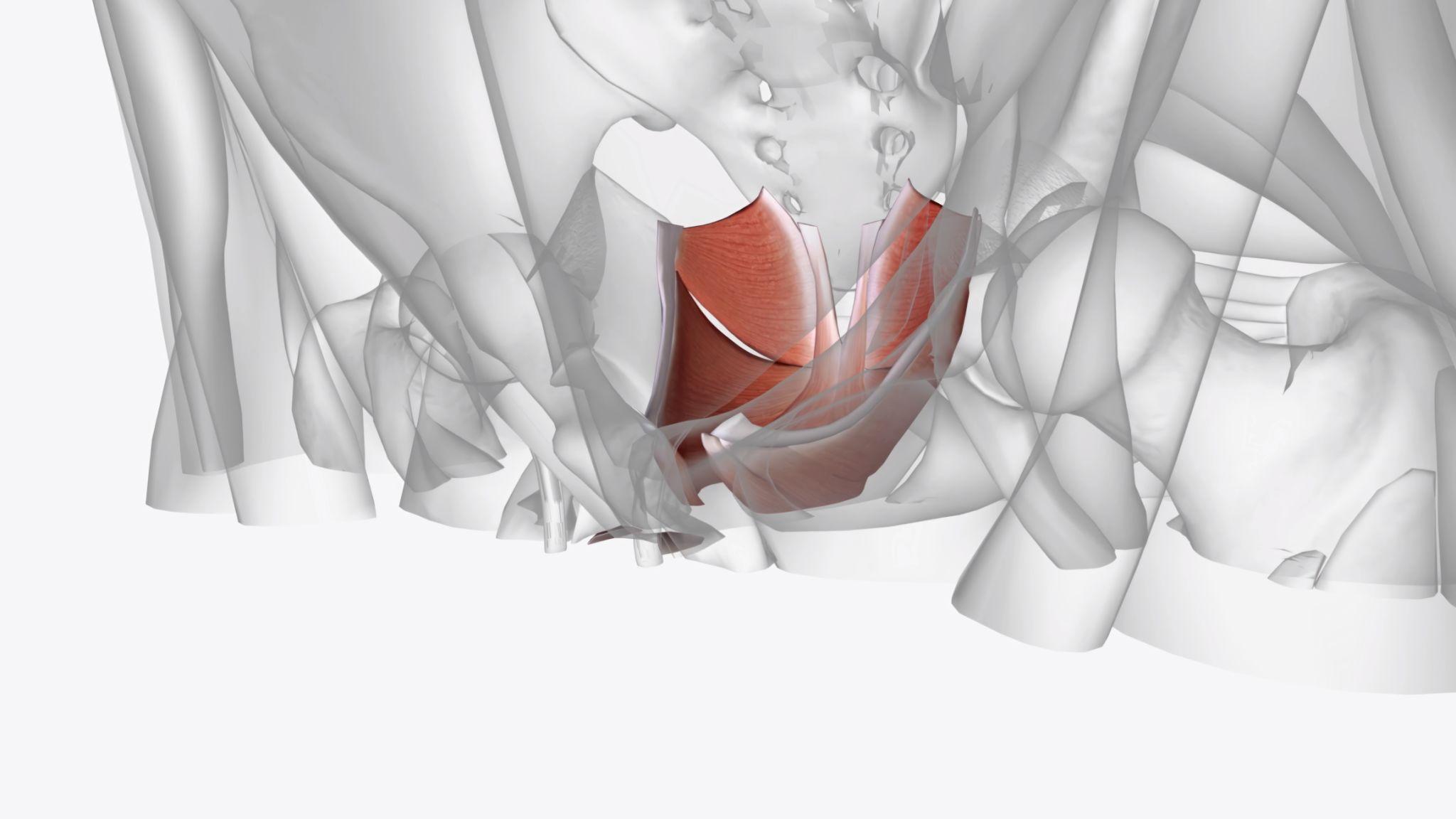
What Is Male Pelvic Health (And Why Should Athletes Care)?
The male pelvic floor is a group of muscles forming the base of the pelvis. These muscles support:
- Bladder and bowel function
- Sexual function
- Core stabilization
- Intra-abdominal pressure regulation
For athletes, the pelvic floor works synergistically with:
- Transversus abdominis
- Diaphragm
- Multifidus
- Hip flexors
This system is often called the deep core pressure system.
When this system becomes dysfunctional, we see:
- Chronic low back pain
- Groin tightness
- Hip flexor overactivity
- Erectile dysfunction
- Reduced power transfer
- Hernia risk
- Pelvic pain during cycling
And yet, most male athletes are told to just “stretch more.”
The Silent Problem in Endurance Athletes

In triathlon, especially long-course racing, male athletes spend:
- Hours in hip flexion (cycling)
- Repetitive ground impact (running)
- Sustained intra-abdominal pressure (swimming & core stabilization)
Over time, this creates:
- Overactive pelvic floor tone
- Fascial stiffness
- Decreased microcirculation
- Trigger point formation
- Neuromuscular imbalance
Research has shown that capacitive-resistive energy transfer (TECAR) therapy improves musculoskeletal pain and function (Beltrame, 2020; Vahdatpour et al., 2022) .
But what does that mean for male pelvic health?
It means improved:
- Tissue perfusion
- Pain modulation
- Metabolic exchange
- Cellular regeneration
These mechanisms matter deeply in high-performance athletes.
The Bodybuilder’s Blind Spot: Pressure and Pelvic Floor Overload
As an NPC competitor, I’ve seen firsthand how intense lifting cycles create chronic intra-abdominal pressure.
Heavy squats.
Deadlifts.
Leg presses.
Bracing under load.

If pressure management is poor, the pelvic floor becomes either:
- Hypertonic (overactive and tight), or
- Dysfunctional (unable to coordinate contraction and relaxation).
This increases risk for:
- Inguinal hernia
- Pelvic discomfort
- Performance plateau
- Sexual dysfunction
And here’s the reality:
Most men don’t talk about it.

The Science: How Radiofrequency Impacts Tissue
Winback’s TECAR therapy operates in the 300–1000 kHz range, producing a diathermic effect that improves intra- and extracellular exchanges .
Biological Effects of TECAR
According to Hernandez-Bule et al. (2021, 2023):
Radiofrequency stimulation promotes fibroblast proliferation Supports extracellular matrix remodeling Reduces pro-inflammatory transcription factors
This is critical in:
Chronic pelvic tightness Scar tissue Post-surgical repair Fascial densification
Additionally, Clijsen et al. (2020) demonstrated increased cutaneous and intramuscular blood perfusion following TECAR application .
For pelvic health, that means:
Improved oxygenation Reduced inflammatory metabolites Better tissue glide
And for athletes — better recovery.
Neuromodulation: Hi-TENS and Pain Regulation
Winback’s Hi-TENS current (0.3 MHz pulsed at low frequencies 2–25 Hz) works by:
- Saturating nociceptors
- Creating synaptic interference
- Reducing neuromuscular tone
In trigger point treatment studies, Hi-TENS significantly reduced resting neuromuscular tone within minutes .
For male athletes with:
- Pelvic trigger points
- Adductor tension
- Perineal pain
- Cycling-related compression
This mechanism is powerful.
Hi-EMS and Deep Muscle Recruitment
Medium-frequency Hi-EMS (1.5–4 kHz) allows deep muscle recruitment without nociceptive stimulation .
Research demonstrates:
- Increased activation symmetry

- Improved muscle recruitment beyond voluntary contraction
- Enhanced neuromuscular coordination

In pelvic health applications, this supports:
- Post-operative rehabilitation
- Core re-education
- Activation of underperforming deep stabilizers
Why Traditional Pelvic Floor Training Often Fails Men
 Most men are told:
“Do Kegels.”
But here’s the issue:
- Many male athletes have overactive pelvic floors
- Strengthening without relaxation worsens symptoms
- Tissue quality is rarely addressed
- Circulation deficits are ignored
Modern pelvic health must address:
- Neuromuscular tone
- Vascular supply
- Fascial mobility
- Cellular regeneration
That is where multi-frequency TECAR therapy becomes 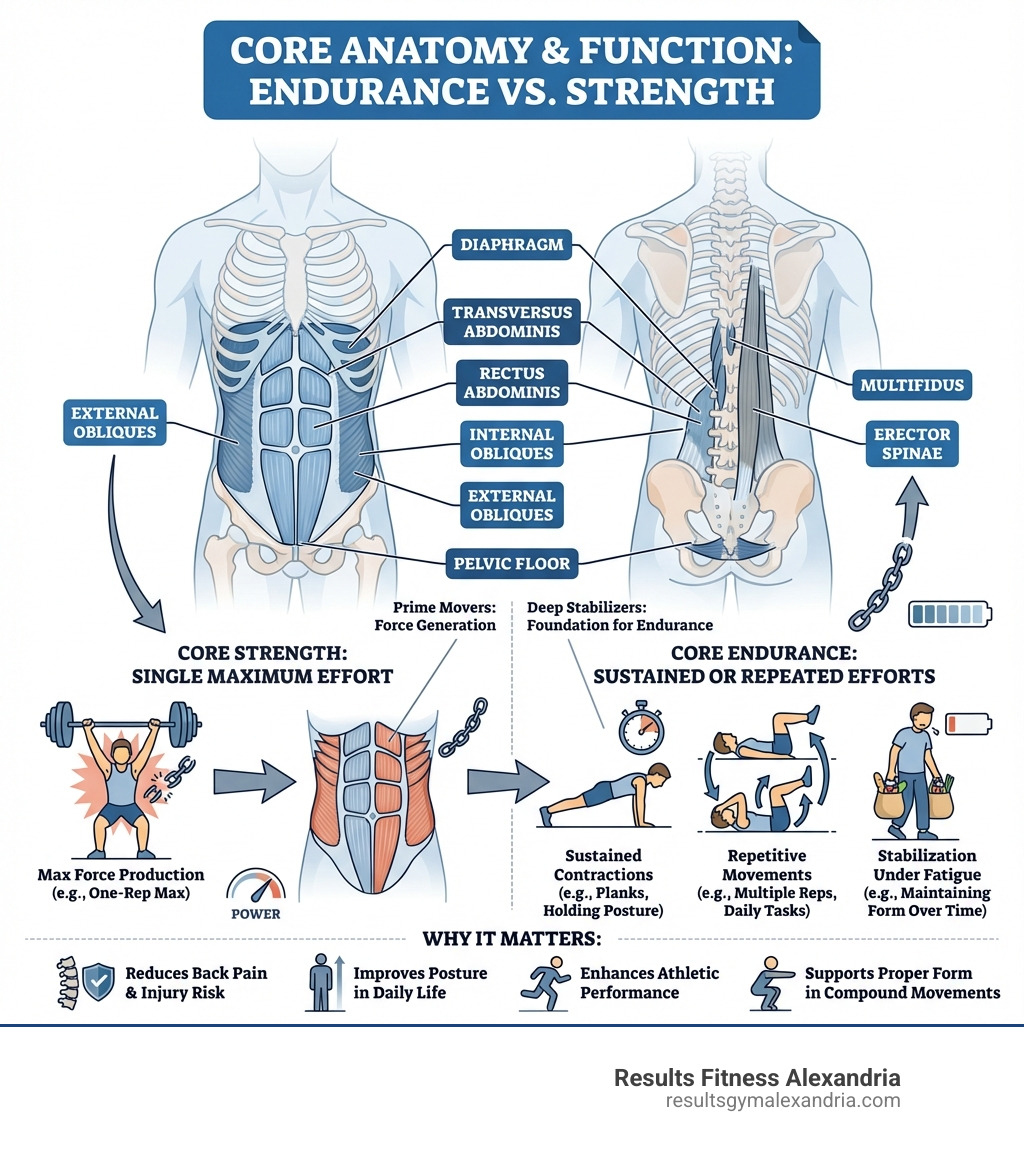 clinically interesting.
Integrating Pelvic Health into Performance Programming
At TriPeakAthlete, pelvic health is integrated into performance programming as an essential pillar of strength, endurance, and longevity.
However, it is important to clarify:
TriPeakAthlete provides education, performance coaching, and evidence-based programming guidance. We do not provide clinical pelvic health treatment, hands-on therapy, or medical rehabilitation services.
If you are experiencing pelvic pain, chronic low back discomfort, pressure dysfunction, or performance-related pelvic concerns, we strongly recommend scheduling an evaluation with a licensed physical therapist, chiropractor, or sports medicine professional trained in pelvic health rehabilitation. These providers are qualified to assess, guide, and administer appropriate treatment safely.
1️⃣ Breath & Pressure Control
Pelvic health begins with proper breathing mechanics and intra-abdominal pressure coordination.
Our educational framework emphasizes:
-
Diaphragmatic breathing
-
Rib–pelvis stacking alignment
-
Intra-abdominal pressure management during lifting and endurance work
Athletes benefit from understanding how pressure is generated, distributed, and controlled — but clinical dysfunction should always be evaluated by a qualified provider.
2️⃣ Hip Mobility & Fascial Integration
Restricted hip mobility and fascial tension can contribute to pelvic overload.
Educational focus areas include:
-
Psoas decompression principles
-
Adductor mobility strategies
-
Glute activation sequencing
For persistent stiffness, pain, or mobility limitations, referral to a licensed clinician is recommended to ensure safe and appropriate intervention.
3️⃣ Recovery Integration
Performance programming must include structured recovery strategies.
We educate athletes on:
-
Post-bike decompression principles
-
Pre-lift neuromuscular activation
-
Chronic tension awareness and modulation
However, chronic pelvic or lumbar symptoms require professional assessment rather than self-directed treatment.
4️⃣ Advanced Recovery Modalities (Clinician-Directed)
Emerging research supports the use of capacitive-resistive radiofrequency (TECAR) therapy in musculoskeletal rehabilitation when administered by trained professionals.
Clinical literature demonstrates:
-
Reduction in musculoskeletal pain intensity (Vahdatpour et al., 2022)
-
Improvements in chronic low back pain (Wachi, 2020)
-
Cellular stimulation supporting tissue repair (Hernández-Bule et al., 2021)
These findings suggest TECAR therapy may serve as a valuable adjunct within male pelvic rehabilitation strategies — but it should only be delivered by licensed physical therapists, chiropractors, or medical professionals trained in proper protocols and contraindications.
TriPeakAthlete does not administer TECAR therapy or clinical rehabilitation treatments.
If you are seeking information about Winback TECAR therapy technology, clinical providers, or educational resources, please visit:
The Future of Male Pelvic Health in Sports Medicine
We are entering a new era of:
- Performance-based medicine
Recovery-driven programming - Integrated neuromodulation
- Hands-free pelvic rehabilitation
Clinics using advanced radiofrequency and multifrequency neuromodulation are redefining how male athletes recover.
This is not about aesthetics.
This is about longevity.
This is about power transfer.
This is about hormonal resilience.
And for men — this conversation is long overdue.
FAQ: Male Pelvic Health & Performance
Can men have pelvic floor dysfunction?
Yes. It may present as pelvic pain, erectile dysfunction, low back pain, or chronic hip tightness.
Does cycling affect pelvic health?
Prolonged saddle compression can increase perineal pressure and alter neuromuscular tone.
Is radiofrequency therapy safe?
TECAR therapy is FDA-cleared for musculoskeletal indications and widely used in rehabilitation settings .
Should athletes strengthen or relax the pelvic floor?
It depends. Many male athletes require tone modulation before strengthening.
Conclusion
As a coach and competitor, I’ve learned that elite performance isn’t just about VO2 max or muscle mass.
It’s about systems.
The pelvic floor is a system.
Ignore it — and dysfunction will eventually surface.
Train it intelligently — and performance becomes sustainable.
Male pelvic health isn’t weakness.
It’s strategy.
And the future of performance medicine belongs to those willing to address it.
References (APA 7th Edition)
Beltrame, A., et al. (2020). Capacitive and resistive electrical transfer therapy in rehabilitation: A systematic review.
Clijsen, R., et al. (2020). Does the application of TECAR therapy affect the temperature and perfusion of the skin and muscle microcirculation? Journal of Alternative and Complementary Medicine, 26(2), 147–153.
Hernández-Bule, M. L., et al. (2021). In vitro radiofrequency current stimulation promotes the proliferation and migration of human keratinocytes and fibroblasts. Electromagnetic Biology and Medicine, 40(3), 338–352.
Hernández-Bule, M. L., et al. (2023). Antifibrotic effects of RF electrical currents. International Journal of Molecular Sciences.
Vahdatpour, B., et al. (2022). Effects of capacitive and resistive energy transfer on musculoskeletal pain: A systematic review and meta-analysis.
Wachi, M., et al. (2020). Effects of capacitive and resistive electrical transfer therapy on pain, stiffness, and lumbar muscle activity in patients with chronic low back pain. Journal of Physical Therapy Science.
Discover more from Tri Peak Athlete
Subscribe to get the latest posts sent to your email.


